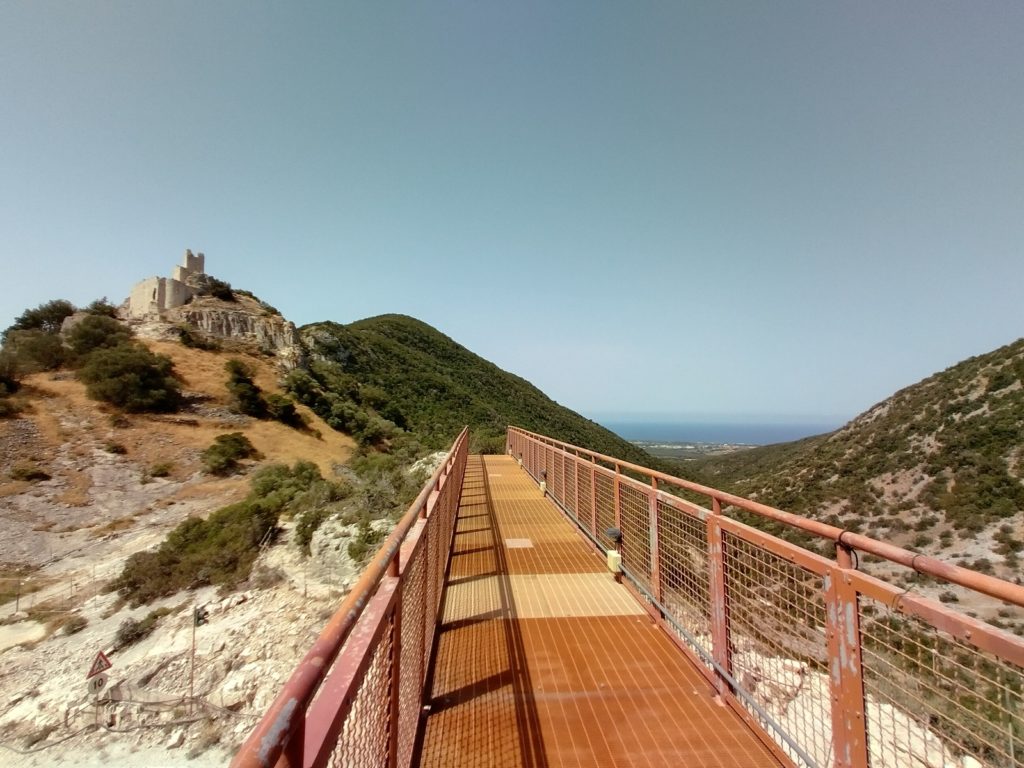
In June 2025, we hosted a conference in India, bringing together academics primarily based in South Asia to share research on health and medicine across South Asia, the Persianate world, and the Indian Ocean network in the pre-colonial period.. More information on the conference can be found in our blog, here and here. See our photo gallery below.
Group photoProf. Deepak Kumar and audience during inaugural addressGroup photoPrasun Chatterjee asking a question to the presentersAmrapali Sharma presenting (Session VI)Catered lunchBreaktime discussions“Off the record” research collaborationVenue and audience Breaktime dicussionsThe conference was hybrid, with several online attendeesProf. Guy Geltner delivering Plenary AddressDr. Amol Saghar asking a question to the presentersConference setup, with both in-person and online attendeesProf. Deepak Kumar delivering Special Lecture Prof. Guy Geltner during inaugural addressFrom left to right: Prof. Farhat Hasan and Prof. Guy GeltnerProf. Farhat Hasan during inaugural addressMukhtar Ahmed giving closing addressDr. Amol Saghar presenting (Session II)Prof. Geltner and Dr. Mukhtar Ahmed together
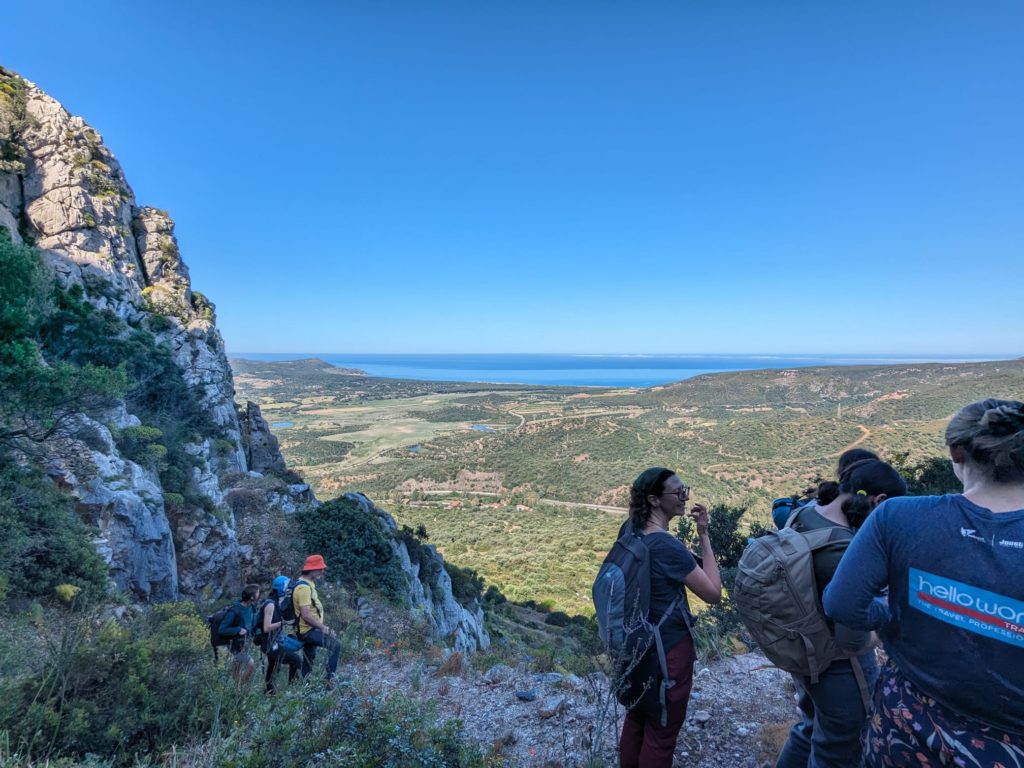
Fieldwork: Iglesiente, Sardinia, summer 2024
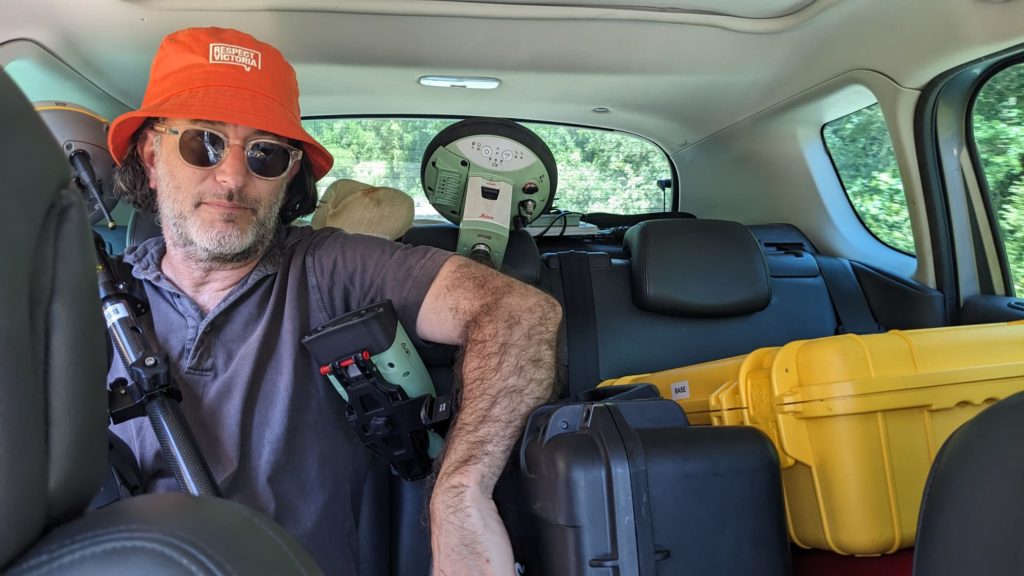
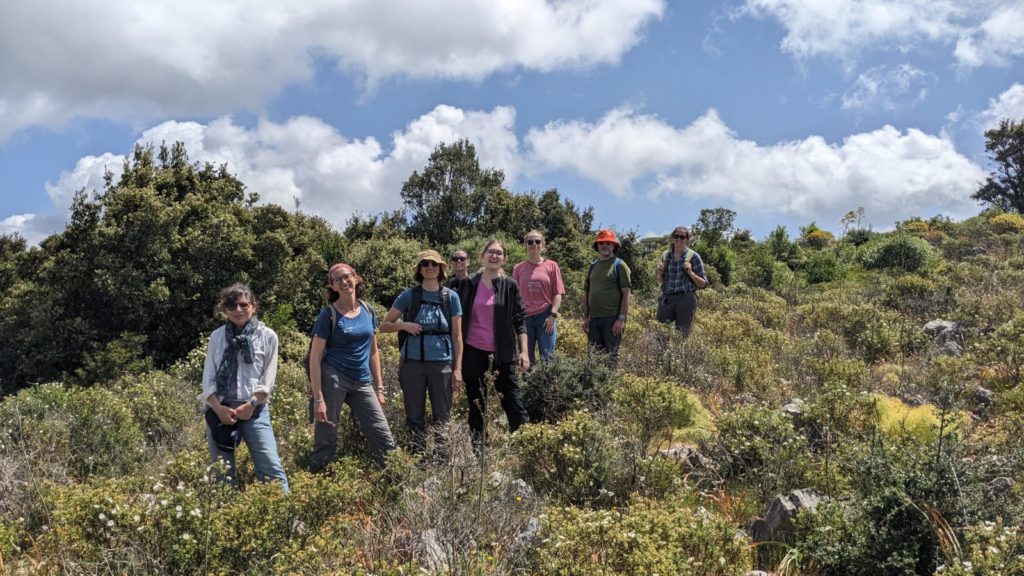
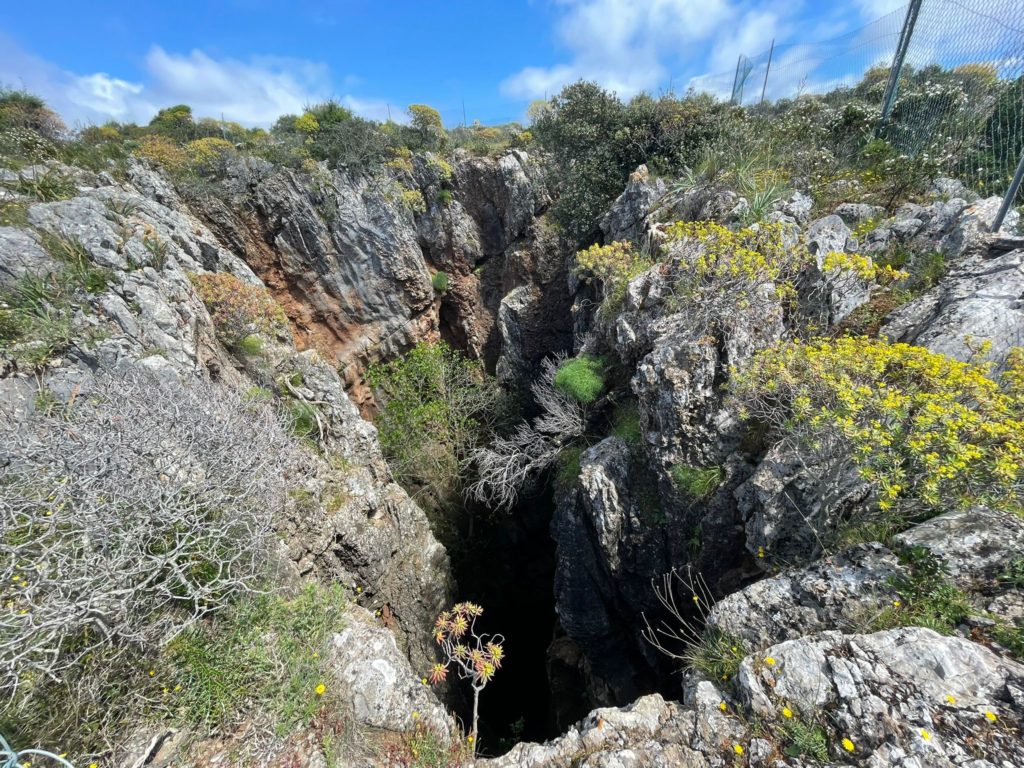
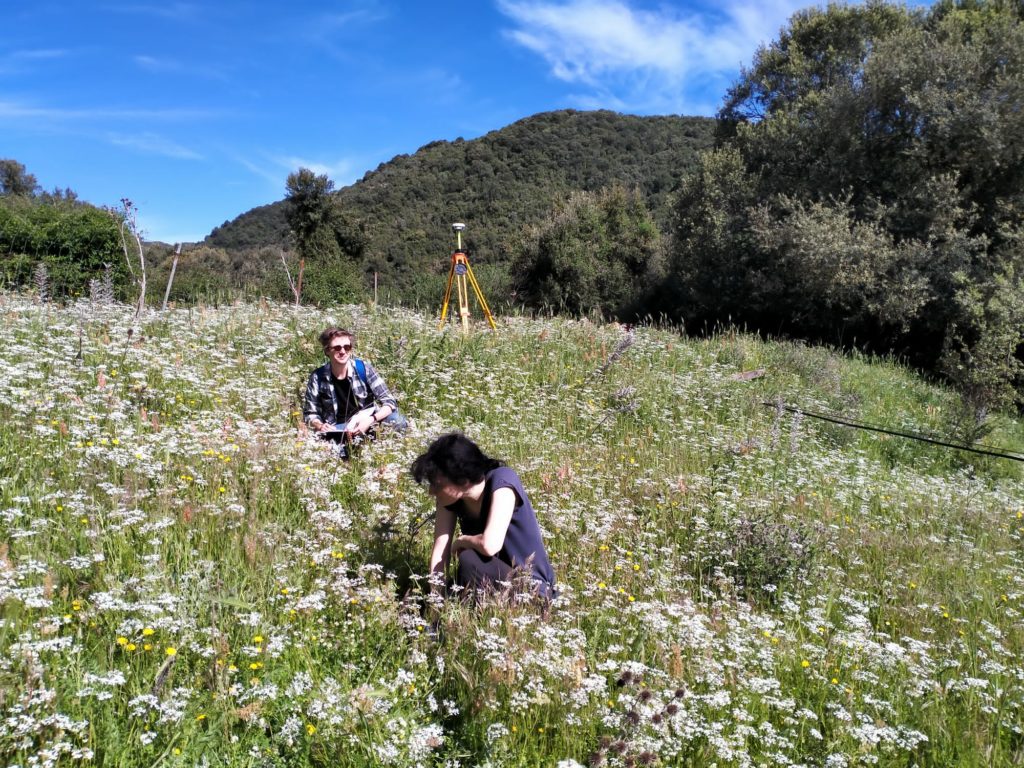
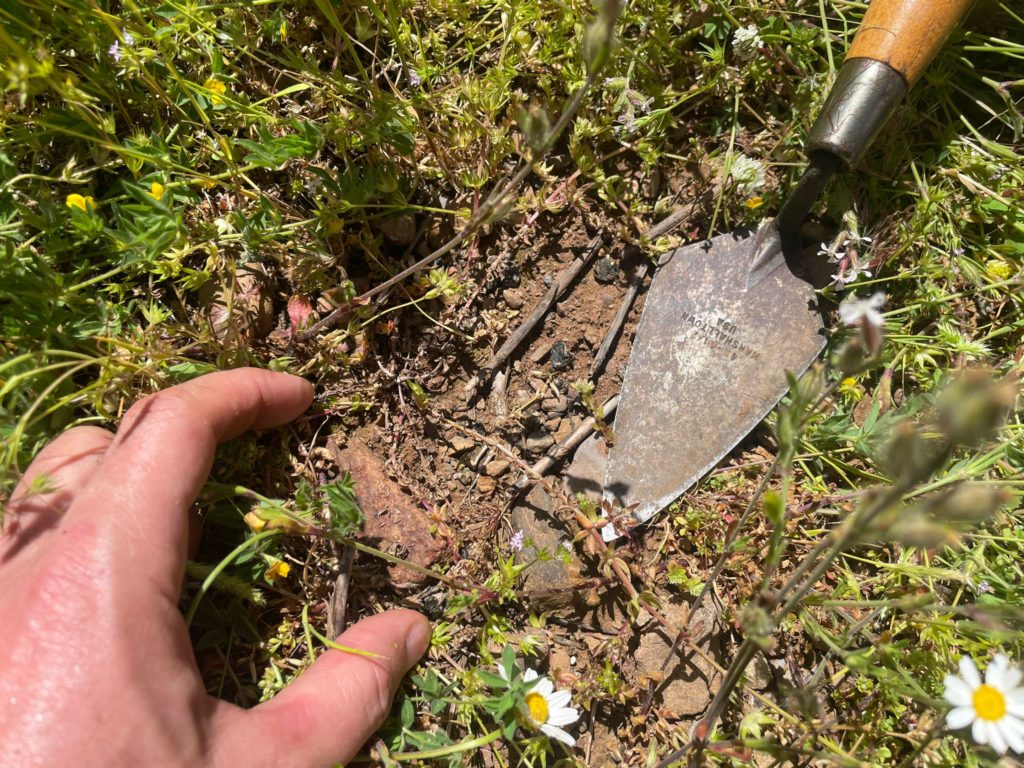
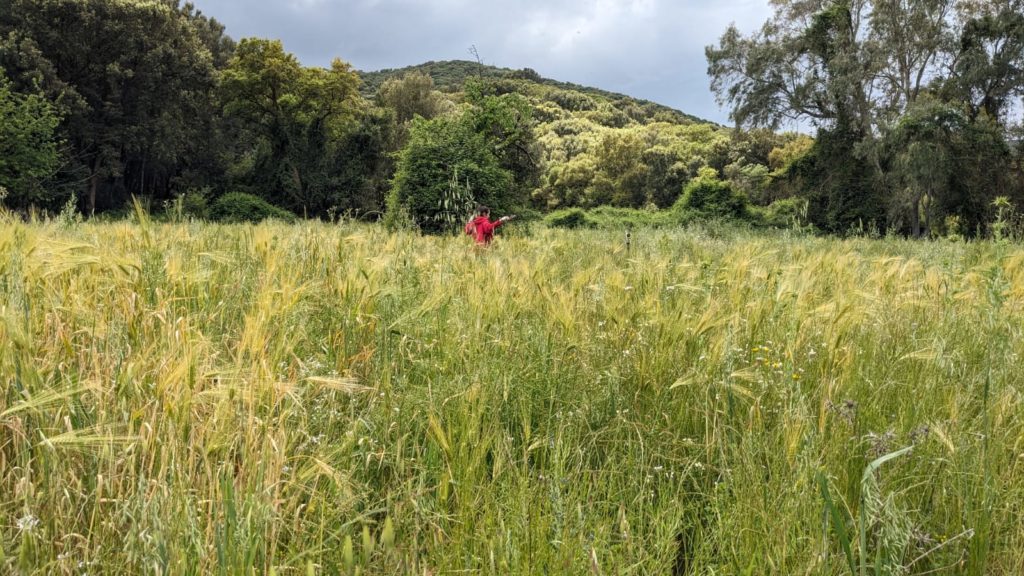
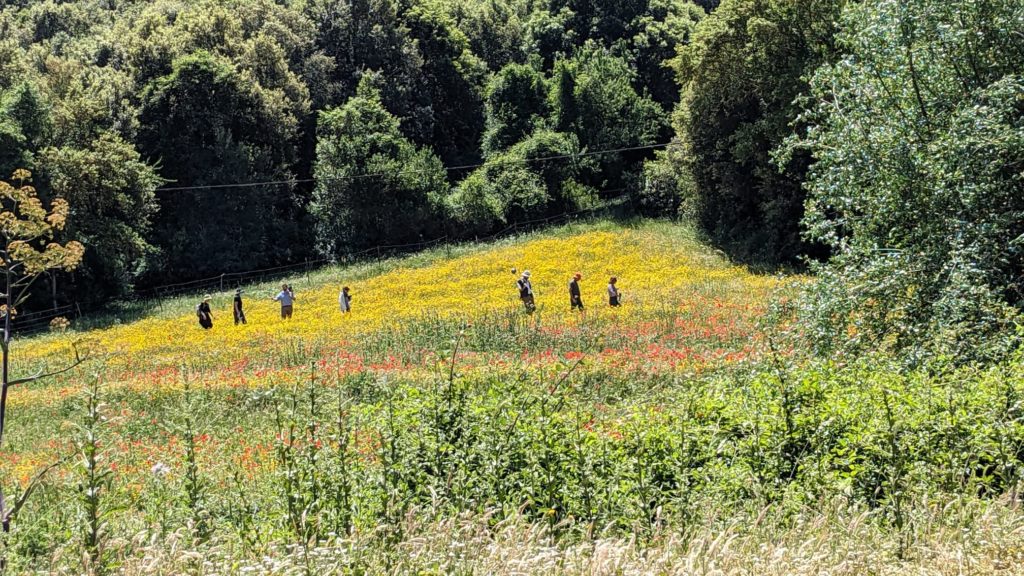
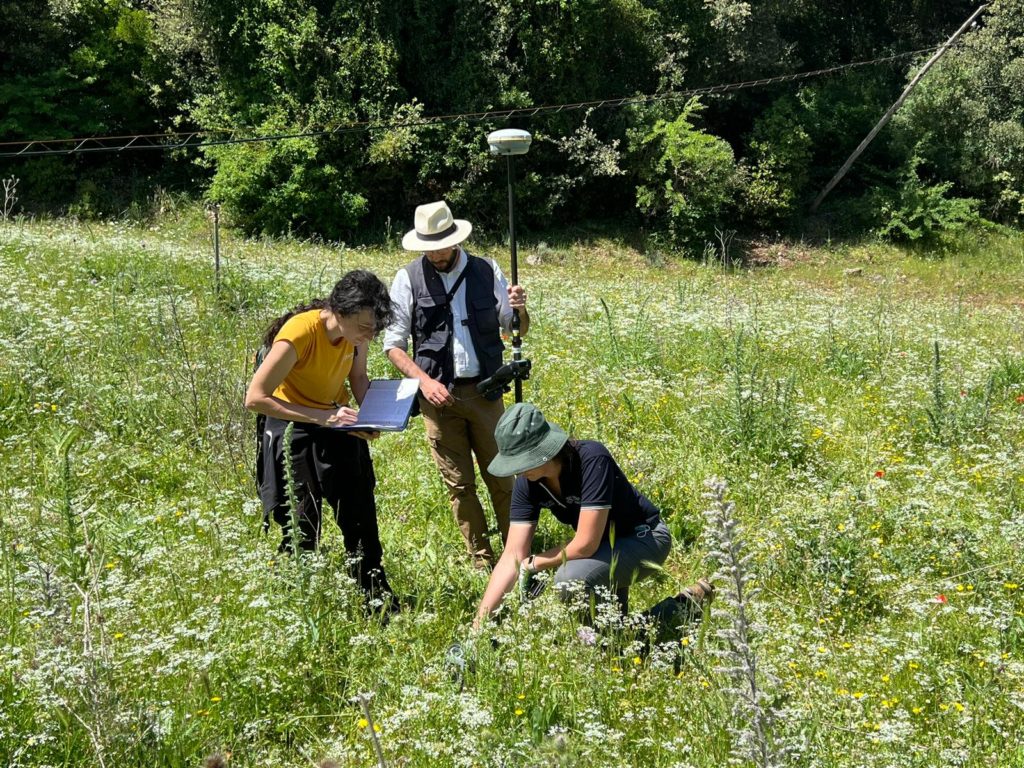
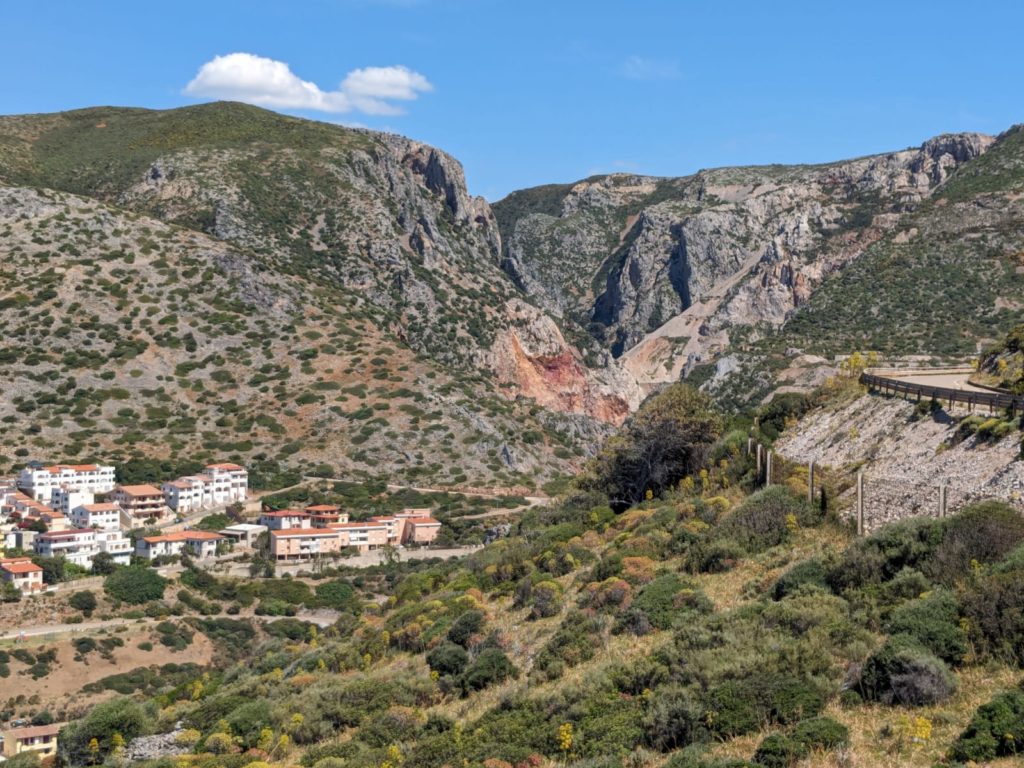
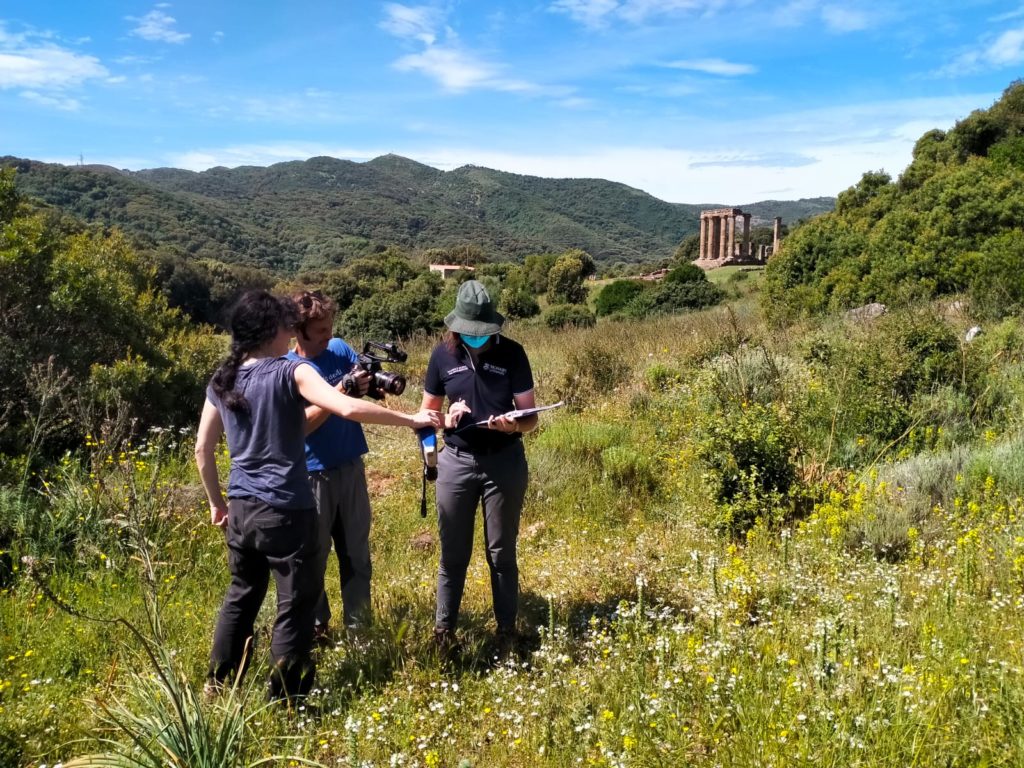
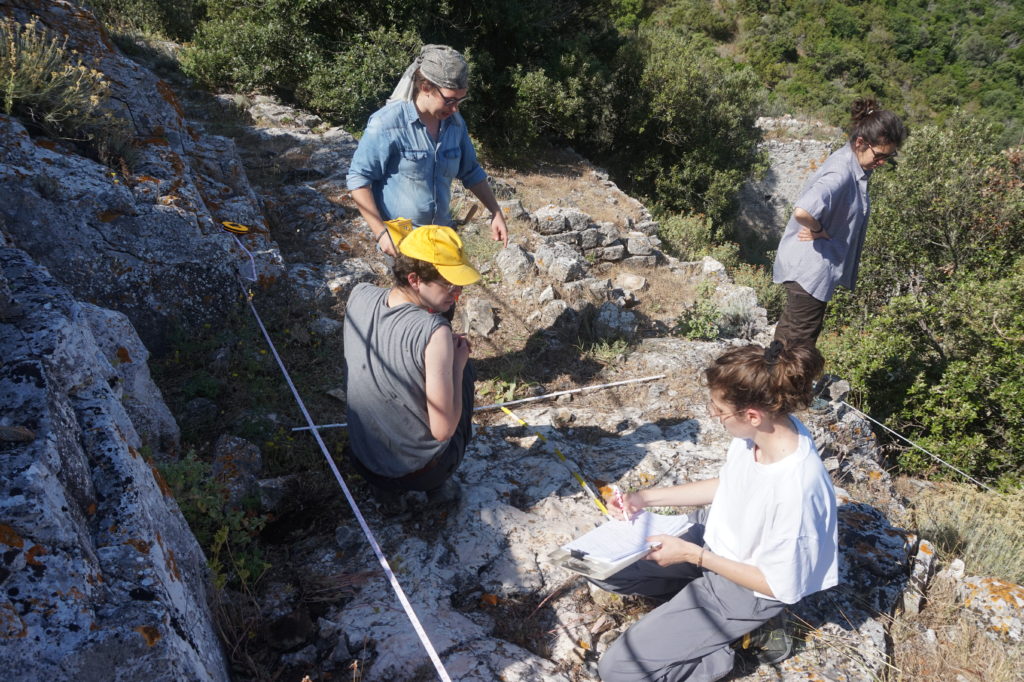
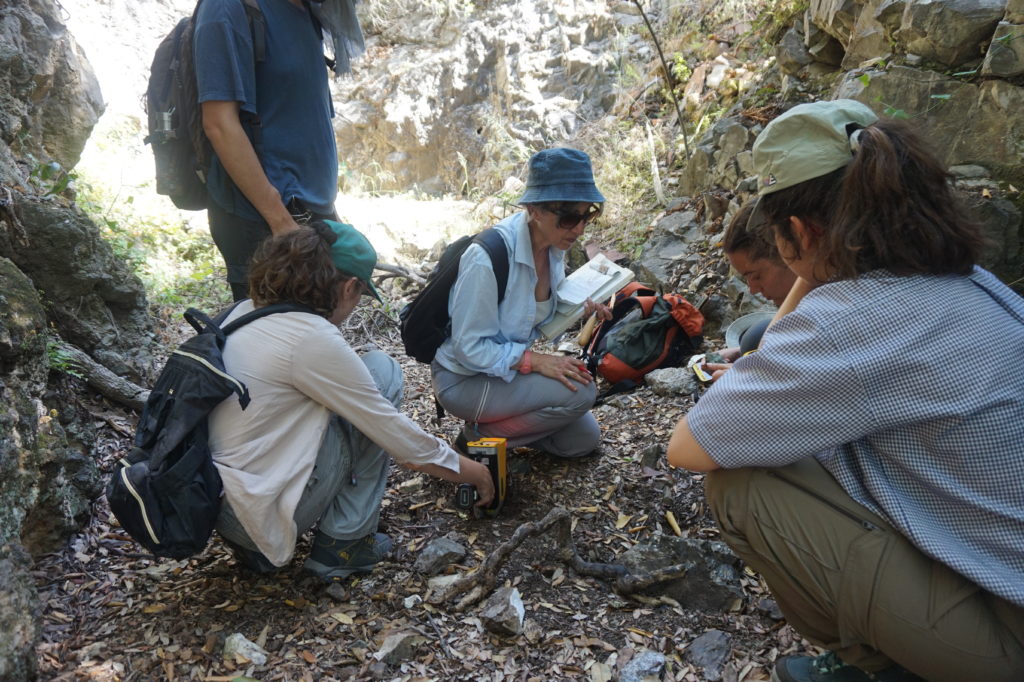
In May 2024, a multidisciplinary team of researchers carried out a geochemical landscape survey campaign in the Iglesiente historic mining region, in Sardinia. These included Guy Geltner, member for our ARC project, “Pursuing Public Health in the Preindustrial World”, as well as staff and students from Monash University, École français de Rome, and Università degli Studi di Cagliari. This project falls under our 2024 Incubator project funded by Monash University, which aims to map the toxic legacies of preindustrial mining in Sardinia by locating the deposition of heavy metals. See more information on the project here. More photos here.
Fieldwork: Rocca San Silvestro, summer 2023
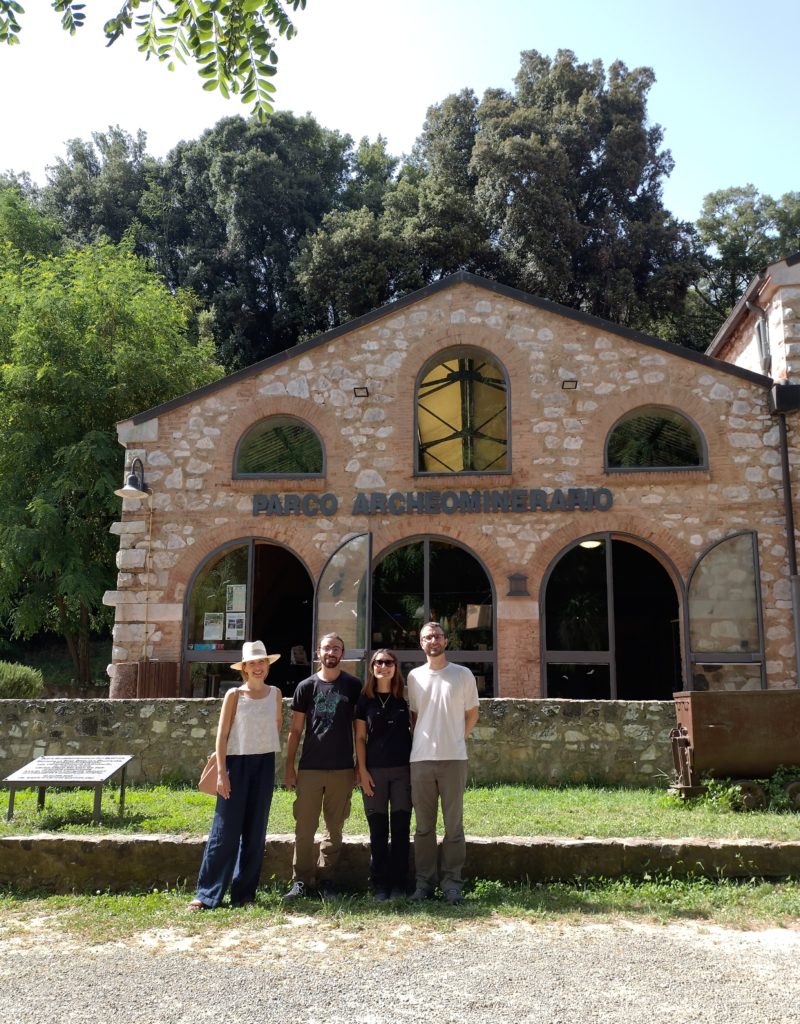
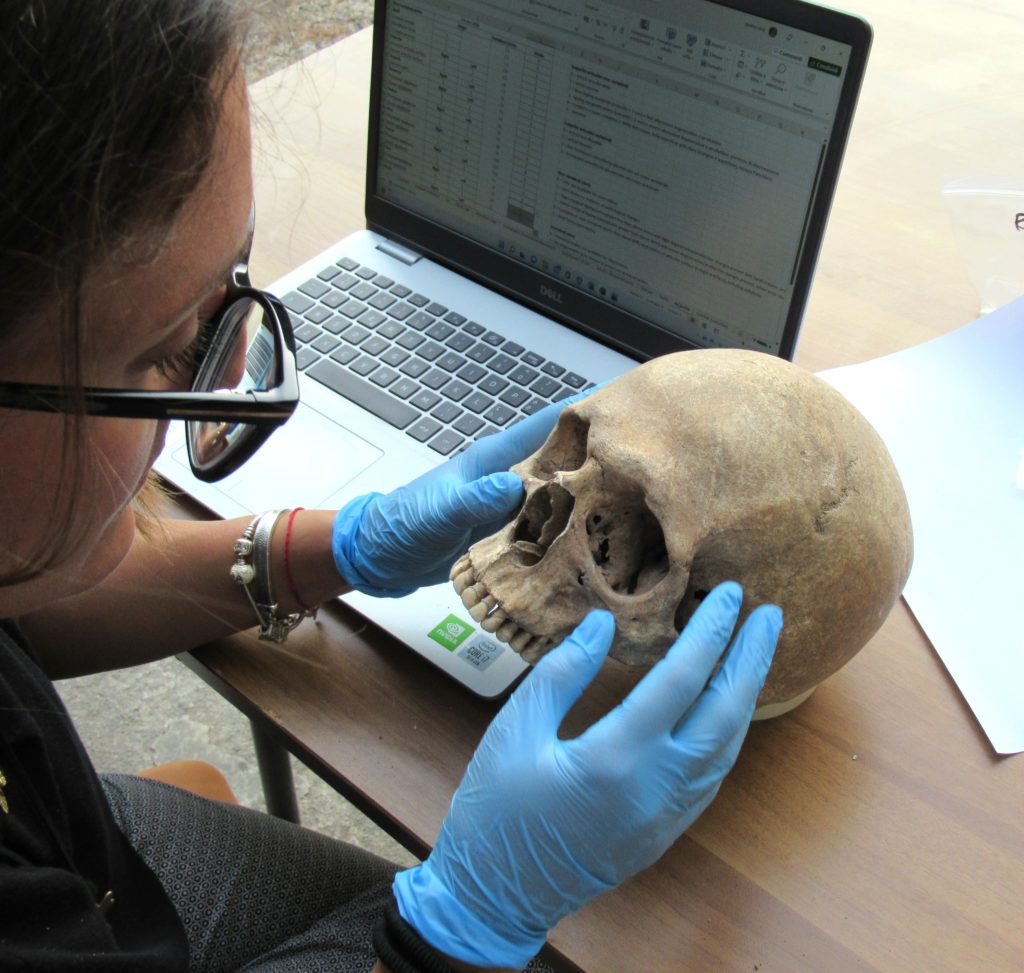
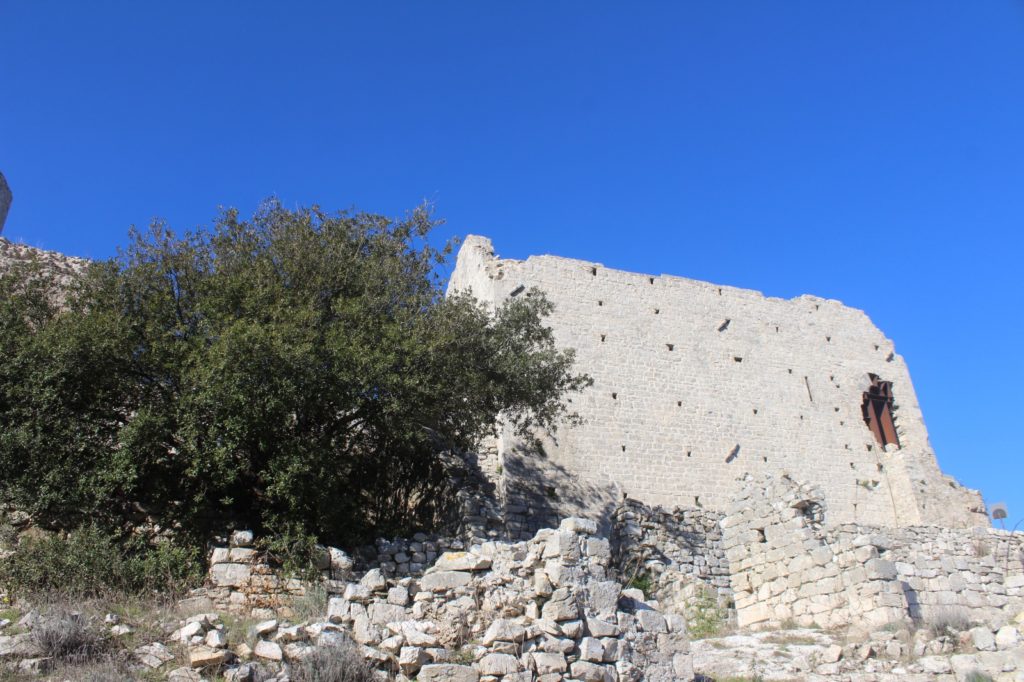
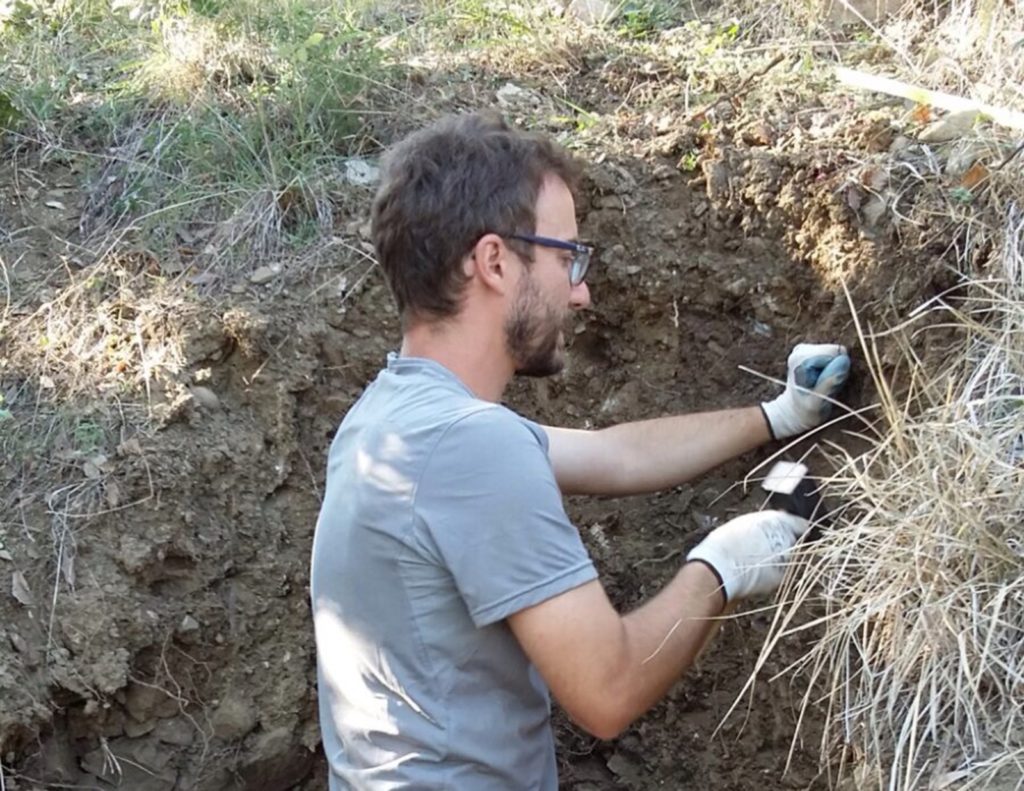
In July 2023, a team of interdisciplinary researchers carried out a geochemical research campaign in the Archaeological mines park of San Silvestro. These included team members for our ARC project, “Pursuing Public Health in the Preindustrial World”: archaeobotanist Mauro Buonincontri, anthropologist Serena Viva, history Phd candidate Rose Byfleet, and archaeologist Giovanna Bianchi. Other researchers included zooarchaeologist Andrea Tommolini, archaeologist Luisa Dalai. included More information on the trip can be found here.
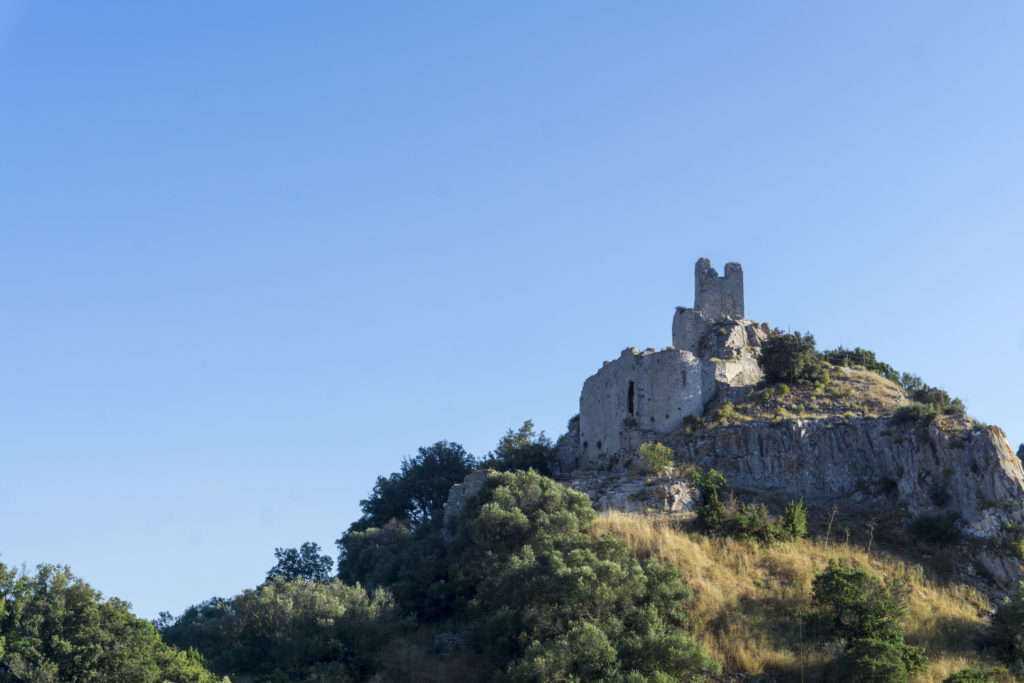
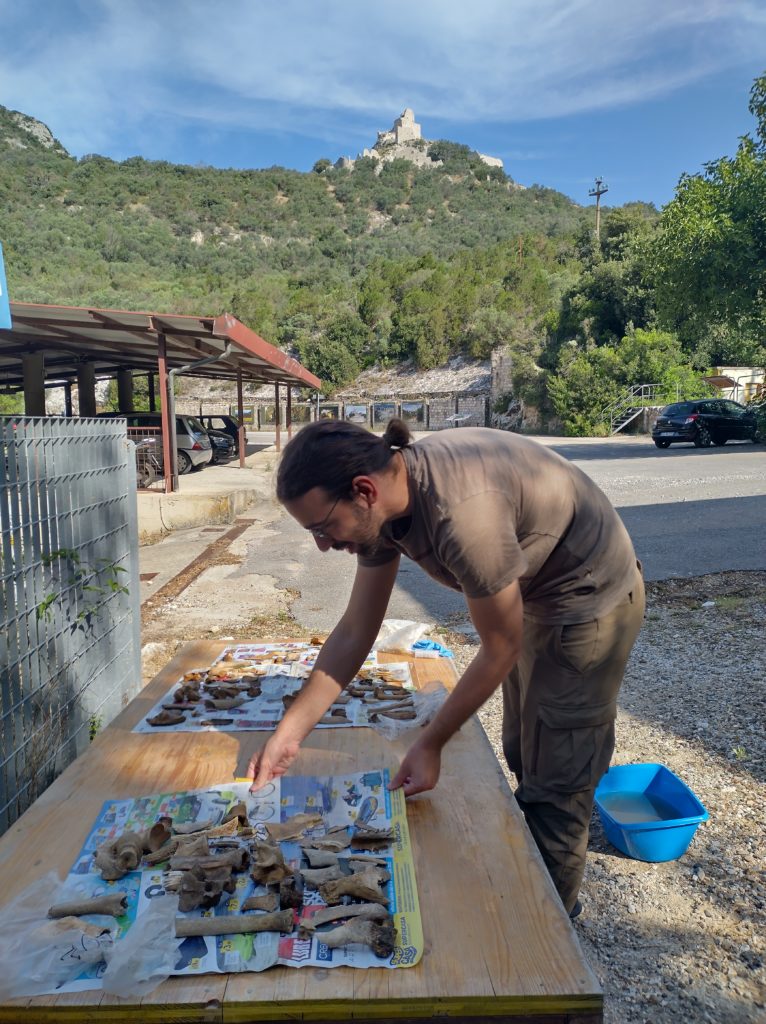
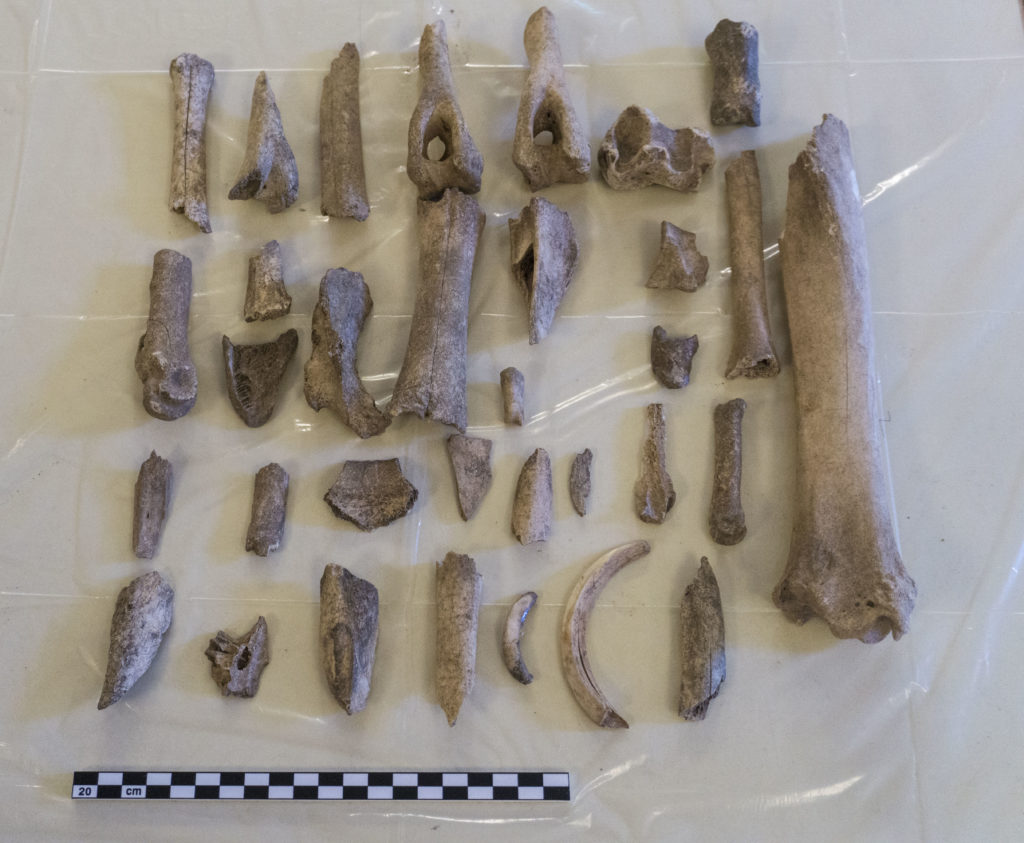
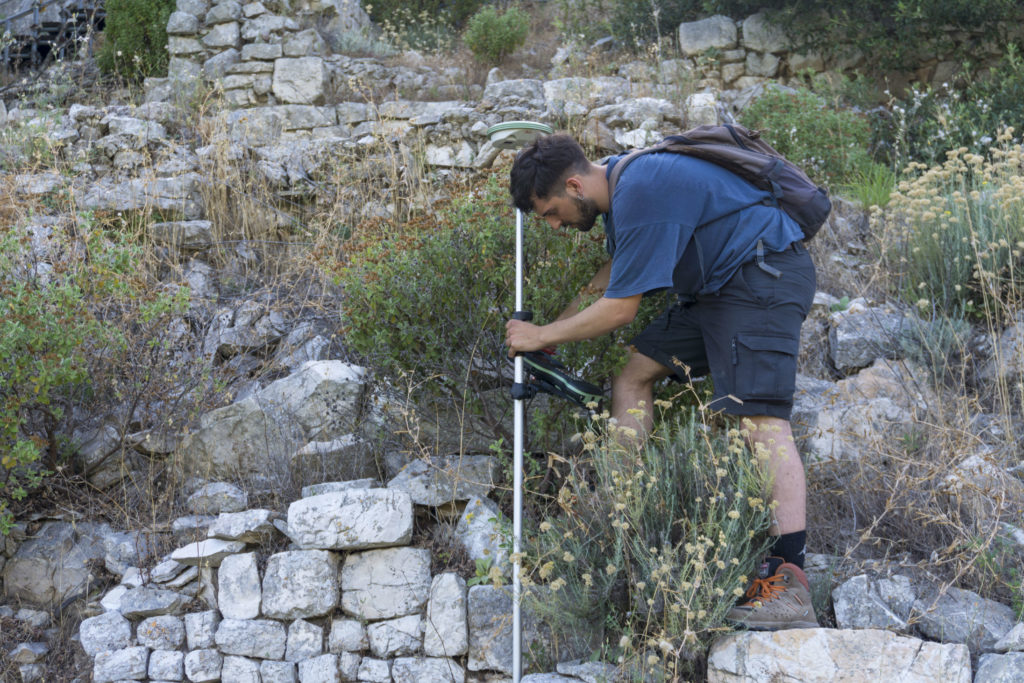
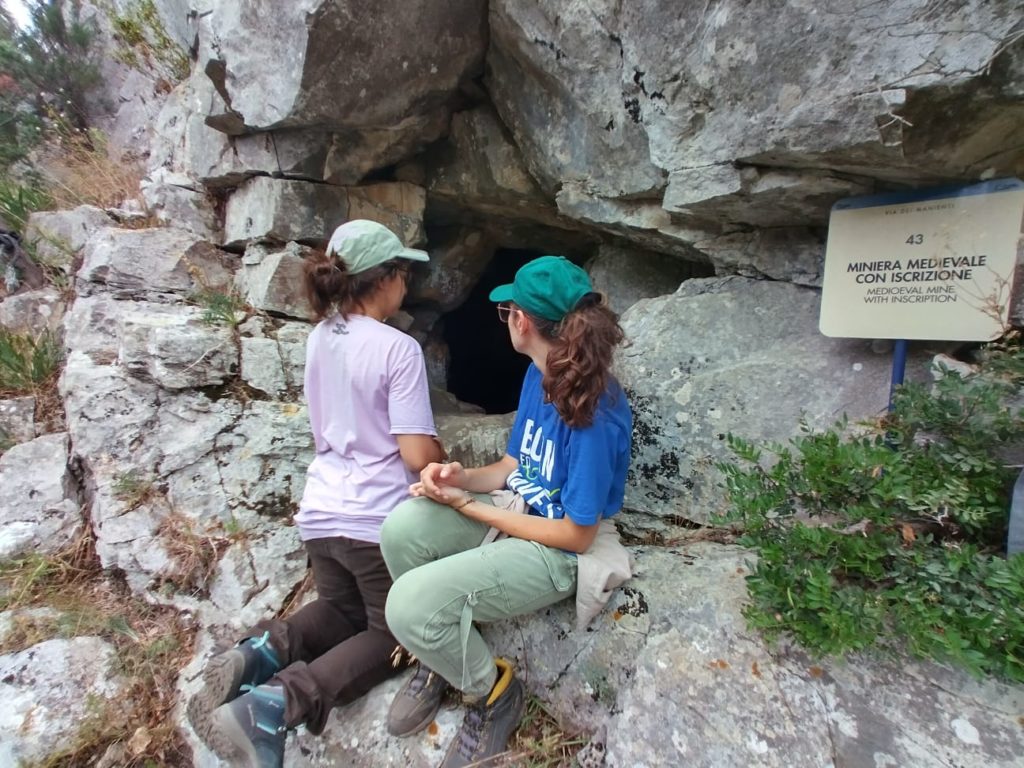
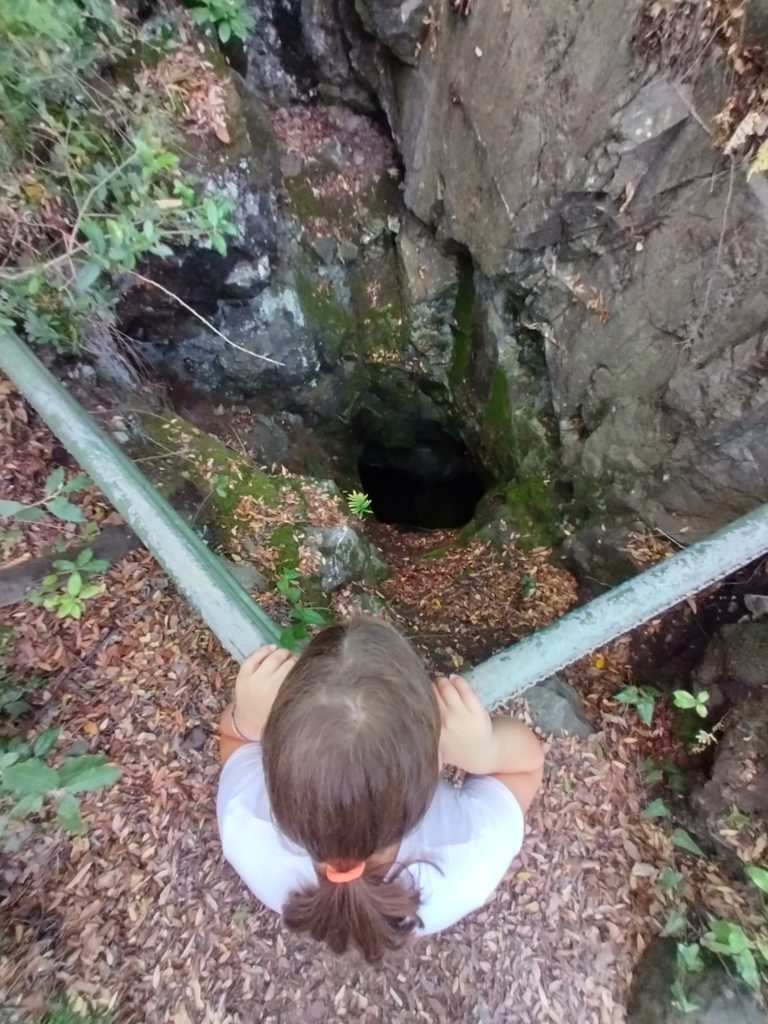
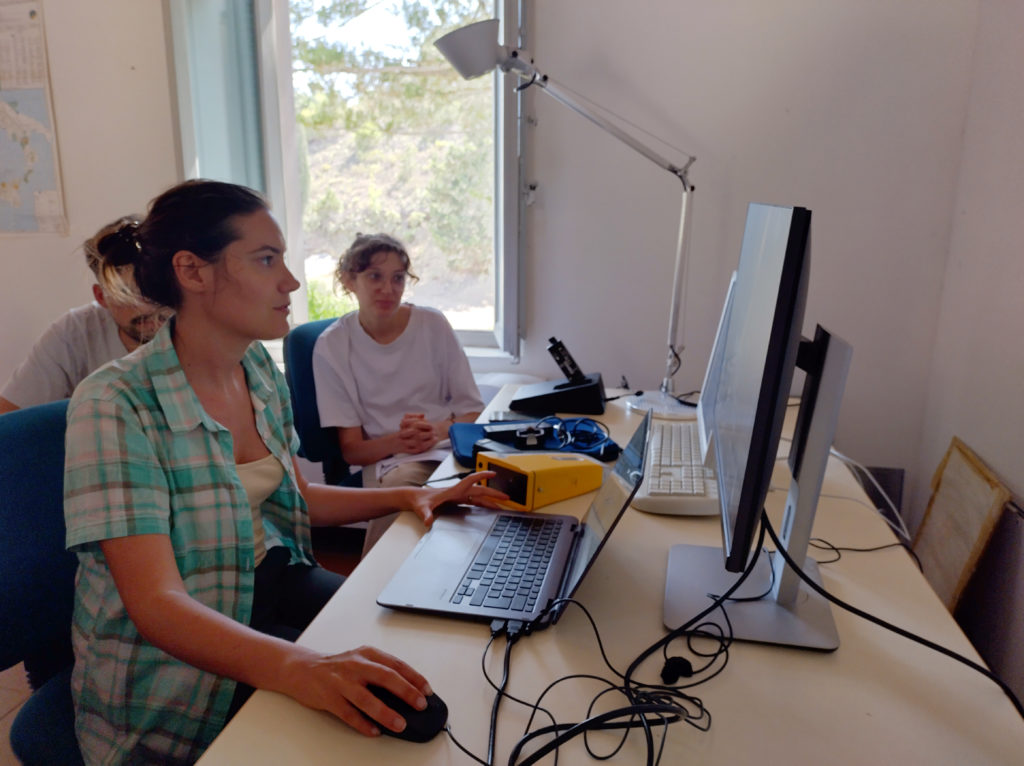
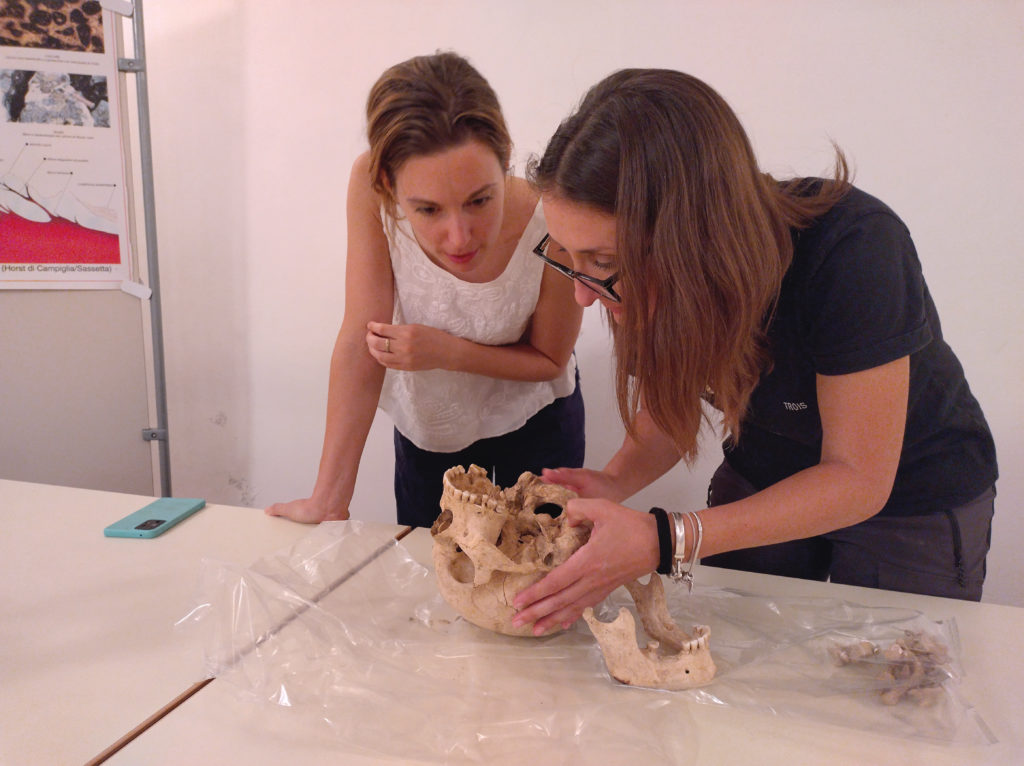
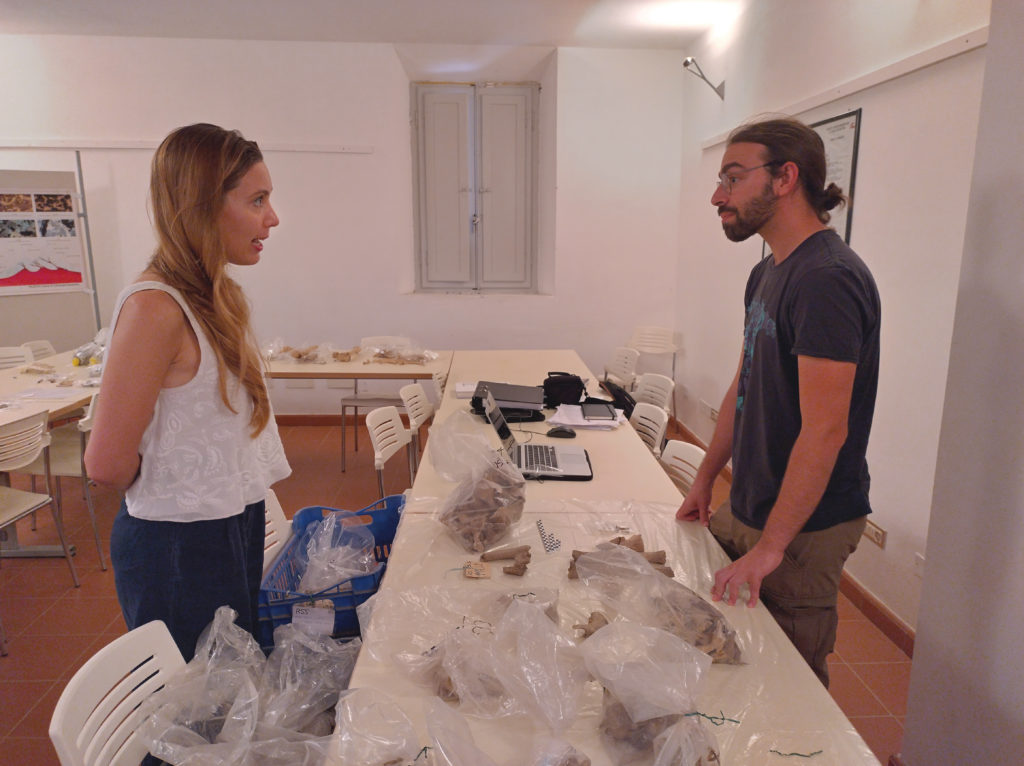
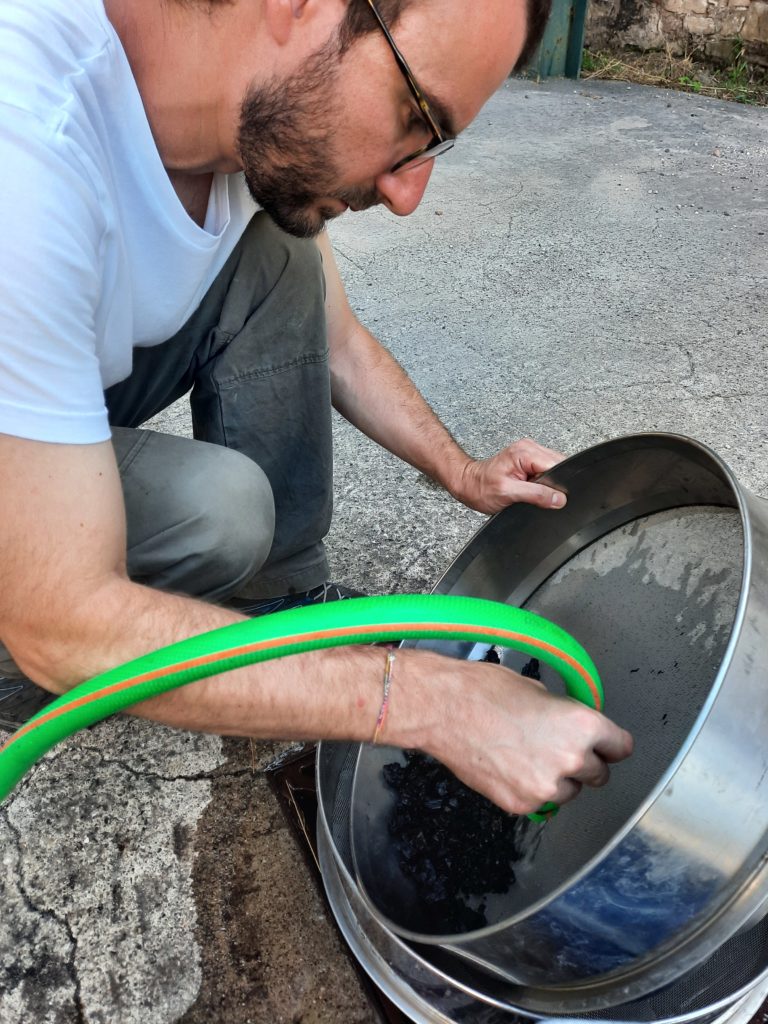
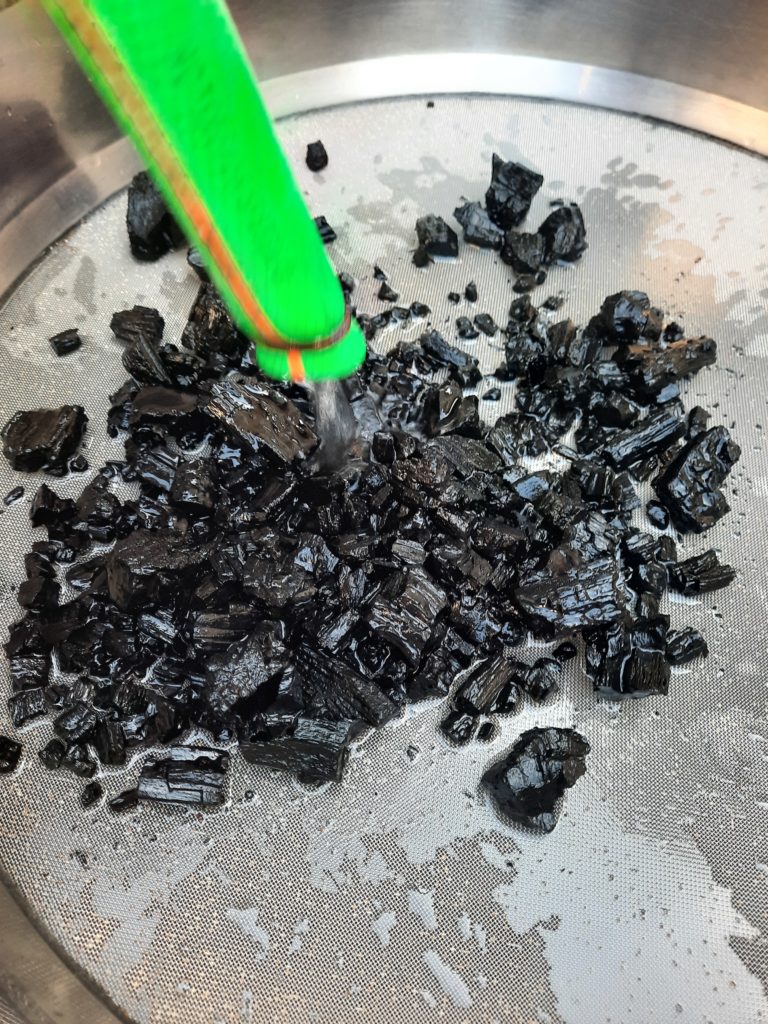
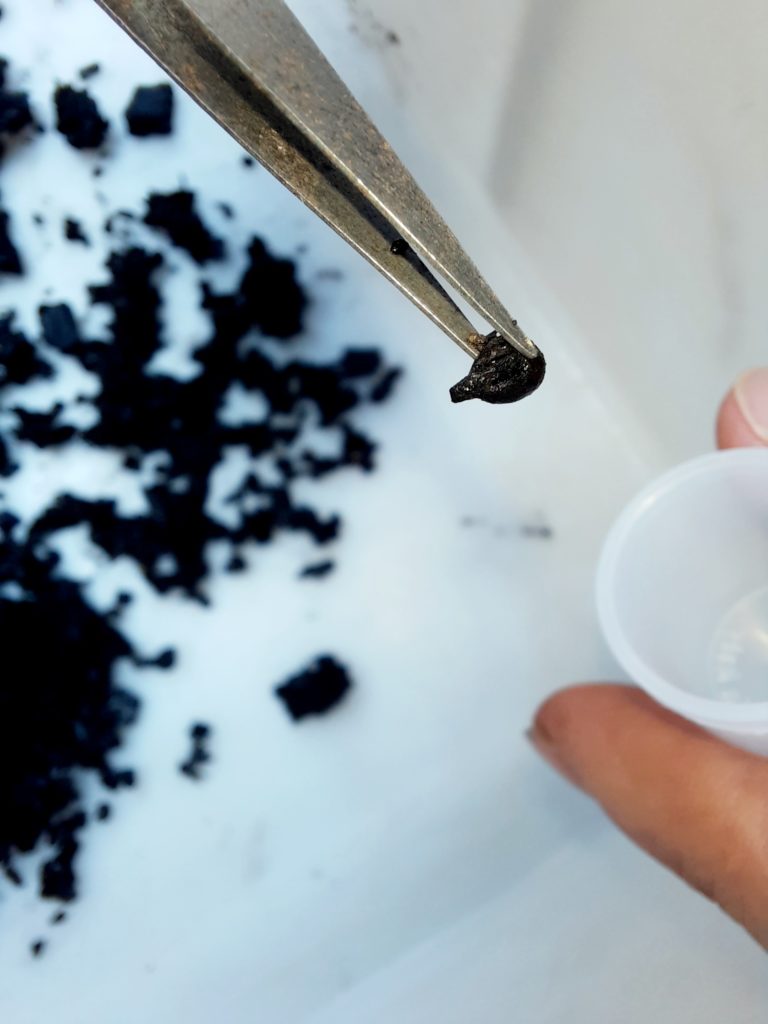
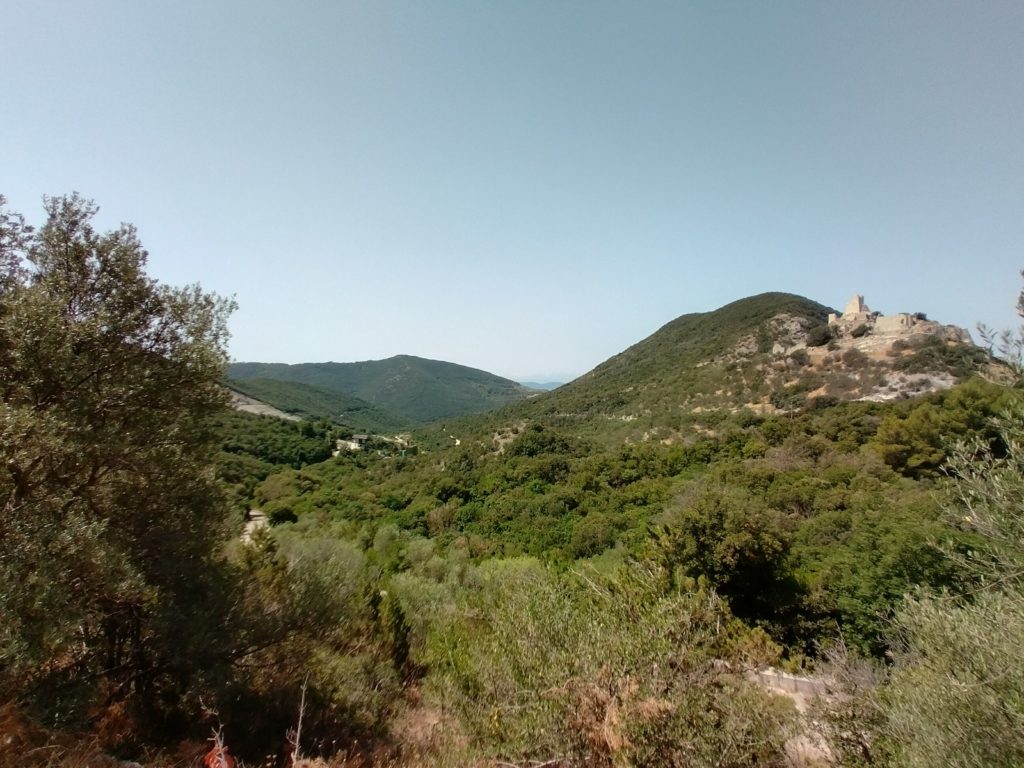
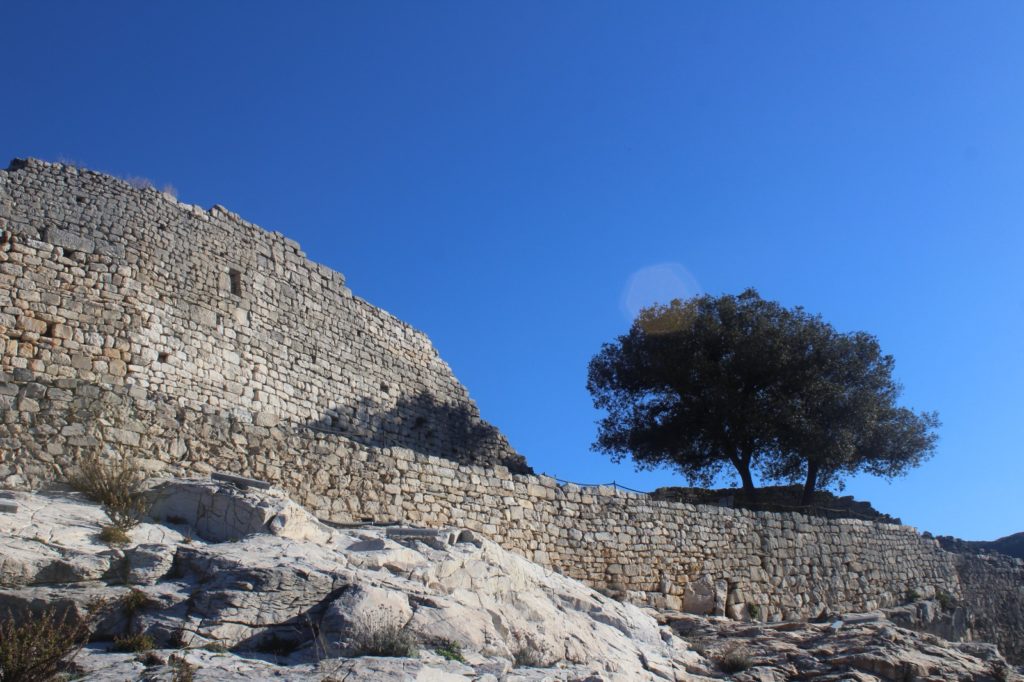
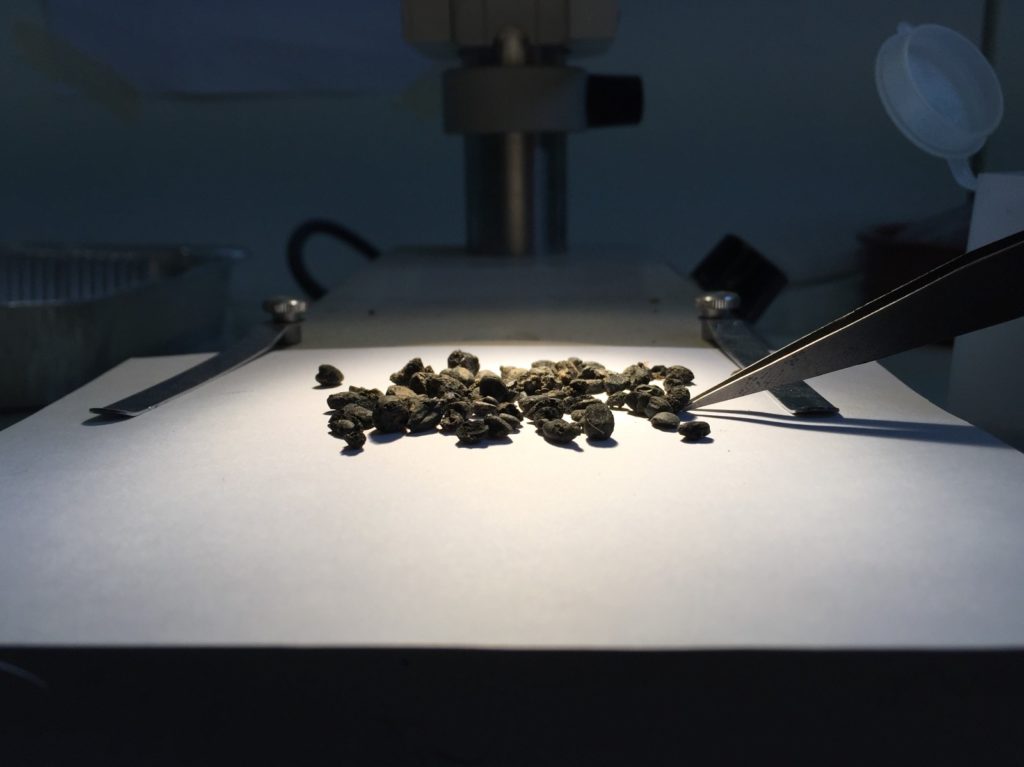
The mining castle of Rocca San Silvestro in the Archaeological Mines Park in Campiglia Marittima (Italy).1. Zooarchaeologist Andrea cleaning faunal remains from RSS.Faunal remains from RSS.Student pinpointing house remains with gps.Student at the entrance of Medieval mine in Manienti Valley.Students at the entrance of Medieval mine in Lanzi Valley.Geochemical team downloading XRF analyses.Meeting at the Archaeological Mines Park of San Silvestro with PhD student and project member Rose Byfleet.Anthropologist Serena showing to Rose the bone pathologies in the bioarchaeological laboratory in Villa Lanzi. Zooarchaeologist Andrea showing to Rose the faunal remains in the bioarchaeological laboratory in Villa Lanzi.Archaeobotanist Mauro sieving archaeological soil samples for botanical remains in the Warehouse at Lanzi Valley.Charred wood remains from a Medieval dumpsite in Rocca San Silvestro.Grape pip from a Medieval dumpsite in Rocca San Silvestro.Geochemical team squaring a mineral processing area by portable XRF analyses.Luisa Dallai and her team using portable XRF in a mineral cave in Lanzi Valley.
Fieldwork: Rocca San Silvestro, summer 2022
In summer 2022, as part of our ARC-funded research project “Pursuing Public Health in the Preindustrial World”, Giovanna Bianchi and her team of researchers Serena Viva and Mauro Buonincontri, conducted fieldwork at the site of Rocca San Silvestro, a medieval castle in Tuscany. While an archaeological dig was conducted years ago, little analysis was made on the skeletal remains. Bianchi, Viva, and Buonincontri are using this fascinating old mining community to extract information from skeletal remains, sediment and soil analyses, to make conclusions about miners’ population health, diet, and landscape. For more updates follow our Twitter account @prosanitate and Mauro’s account @goodmeetings1.
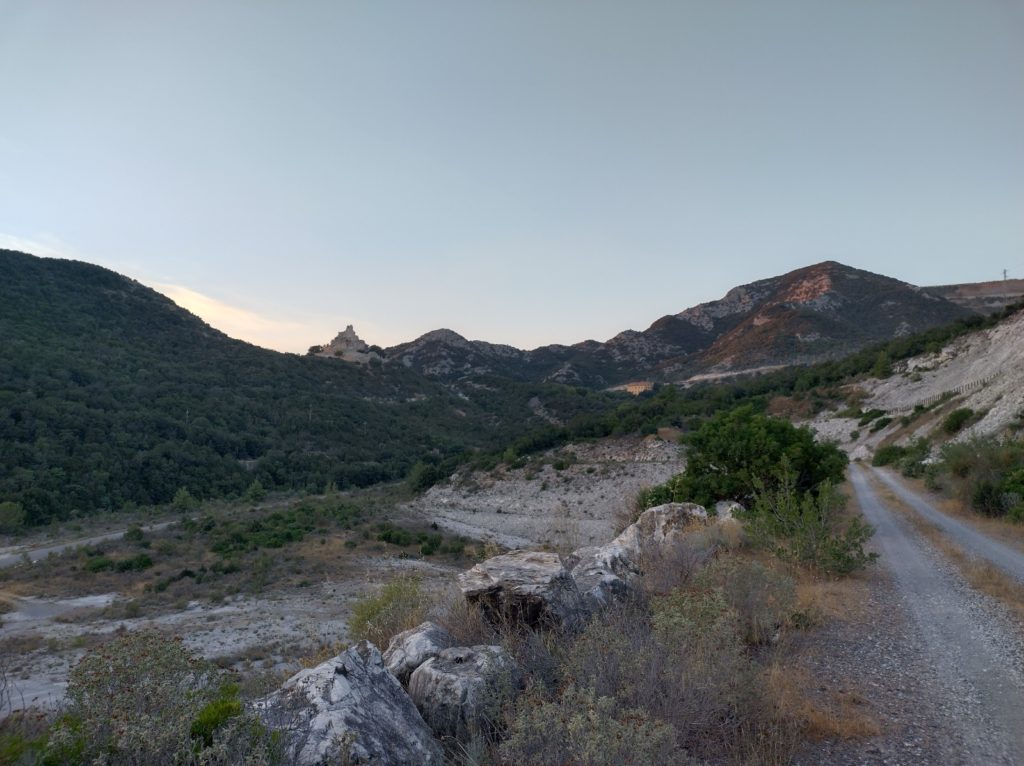
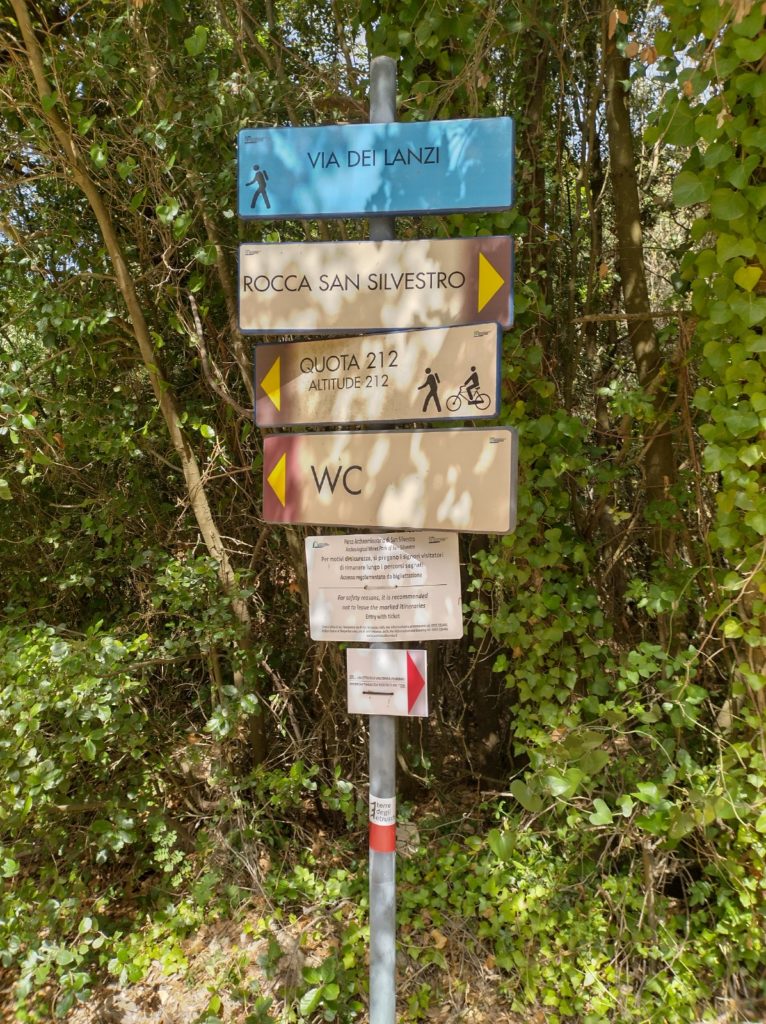
Serena Viva, physical anthropologist working at the Rocca San Silvestro site.Serena Viva works with skeletons to explore health impacts of human populations, in this case a mining population at Rocca San Silvestro.Great desk view.Rocca San Silvestro.Mauro Buonincontri sampling sediment from a soil profile to extract charcoal remains.Landscape.Rocca San Silvestro.Sunset fit for a miner.Castle ruins.Directions.Rocca San Silvestro medieval castle, view.Road to Rocca San Silvestro medieval castle.Rocca San Silvestro medieval castle, view.Ruins.
"Do Less Harm: Ethical Questions for Health Historians"Courtney E. Thompson and Kylie M. Smith bring together historians and scholars to confront one of the most pressing questions in health history: How can we ethically approach stories of medicine and health without perpetuating harm? https://www.chstm.org/perspectives/do-less-harm-ethical-questions-health-historians
The Objects, Images, and Spaces of Health April 17th meeting hosts Briana Brightly, who has shared a chapter from their doctoral dissertation titled "How to Draw the Buddha and Dissect a Corpse: Iconometry and Anatomy in Early-Modern Tibet". #histmed #histstm https://www.chstm.org/group/objects-images-and-spaces-health
The Consortium for History of Science, Technology and Medicine is opening proposals for a new working group. The call is for groups that will meet during the 2026-2027 academic year.https://www.chstm.org/news/propose-new-working-group-2026-2027#histmed #histstm